
zelus vs Perry Weather comparison

Understanding 
the Differences 
in Environmental Monitoring Systems

Comparison.

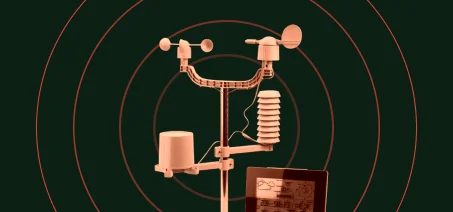
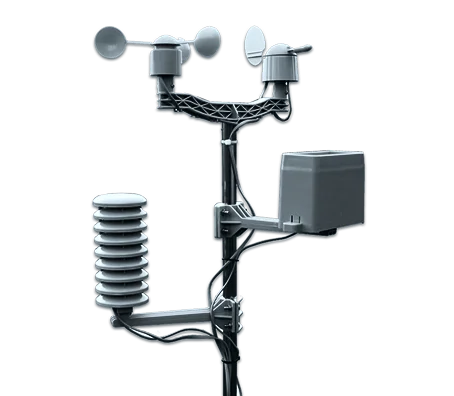
Zelus and Perry Weather represent two different approaches to environmental monitoring. While Perry Weather relies primarily on hardware-based sensor networks, Zelus delivers a software-driven environmental intelligence platform designed to support safer operational decisions across teams and environments.

RESEARCH Insights—01

Limitations of Sensor-Based Environmental Monitoring

Independent research highlights a consistent challenge with Perry Weather’s sensor based environmental monitoring systems. When Perry Weather sensor arrays are placed side by side, their WBGT measurements frequently produce different results despite measuring the same environment.

Understanding this limitations is critical when safety decisions depend on a single monitoring device.

Texas A&M Field Study

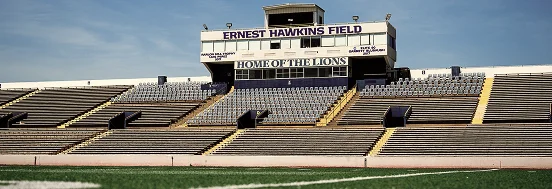
In a field study[1] funded by Perry Weather and conducted at Texas A&M University, multiple WBGT instruments were placed in the same location and compared against a reference system.

Two Perry Weather stations located just feet apart agreed only 10% of the time at high heat levels.

This highlights a key challenge of hardware-based monitoring: measurements can vary significantly even among almost identical hardware.

HARDWARE LIMITATIONS—02

Where Hardware-Based Monitoring Systems Create Operational Risk

Many organizations initially adopt sensor-based monitoring systems expecting precise environmental measurements. In practice, hardware introduces limitations that can affect coverage, reliability, and scalability.

01/04

Single-Point Measurements

Hardware weather stations measure conditions only at the exact location where the sensor is installed. But job sites, campuses, and operational areas may span miles, not just a few blocks.

02/04

Infrastructure Dependency

Hardware systems require physical installation, power, connectivity, and maintenance Each sensor becomes another infrastructure point that must be monitored and maintained.

03/04

Hardware
Failure Risk

Environmental sensors can fail due to weather exposure, vandalism, calibration drift, or connectivity loss. If the station fails, monitoring is interrupted until repairs are completed.

04/04

Scaling Hardware Is Slow

Each new location requires additional sensors, installation, and configuration. For organizations operating across many sites, scaling hardware becomes operationally complex.

In practice, hardware introduces limitations that can affect coverage, reliability, and scalability.

ZELUS ADVANTAGEs—03

Why Organizations Are Moving From Hardware Monitoring to Software-Driven Environmental Intelligence Platforms

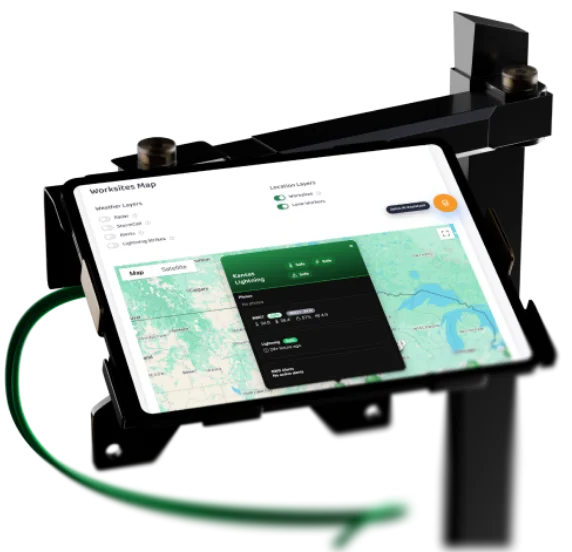
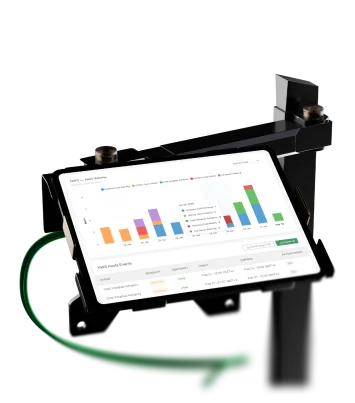
Zelus replaces fixed hardware sensors with software-driven environmental intelligence powered by atmospheric data models and location-aware analysis.

This allows organizations to monitor conditions anywhere without installing physical infrastructure.

Why Teams Switch to Zelus:
01

No Hardware Required

Deploy environmental monitoring instantly without sensors, installations, or equipment maintenance.

02

Unlimited Location Coverage

Monitor hundreds or thousands of locations simultaneously without installing hardware at each site.

03

Designed for Mobile Workforces

Protect workers wherever they operate — not just where a fixed sensor happens to be installed.

04

Instant Enterprise Deployment

New sites can be added in seconds instead of weeks of installation and configuration.

monitor conditions anywhere without installing physical infrastructure.

Let`s Work Together!
Request a Demo
TRUSTED BY LEADINg COMPANIES & ORGANIZATIONs
COST & DEPLOYMENT—04

Hardware vs Software Environmental Monitoring: The Economic Difference

Hardware-dependent monitoring systems require physical infrastructure, maintenance, and calibration. Software-driven environmental intelligence platforms scale faster and reduce long-term operational costs.

Zelus does not require expensive hardware at each new site.

old Way

Hardware Monitoring

  • Sensors required at every location
  • Installation and infrastructure costs
  • Ongoing maintenance
  • Replacement and calibration
  • Scaling requires new equipment
New Way

Zelus Software Monitoring

  • No physical infrastructure

  • Instant activation

  • No installation costs

  • No hardware maintenance

  • Scale across unlimited locations

For organizations operating across large geographic areas or distributed teams, the economic difference between hardware infrastructure and software-based monitoring becomes significant

The differences between hardware-based monitoring systems and Zelus become even clearer when comparing key capabilities side by side.
Comparison Table

Zelus vs Perry Weather: Which Environmental Monitoring Platform Is Better?

Organizations evaluating environmental monitoring solutions often compare Perry Weather vs Zelus to understand the differences between hardware-based monitoring systems and software-driven environmental intelligence platforms.

Key Questions

Zelus vs Perry Weather: Key Differences

Organizations comparing environmental monitoring platforms often ask how Perry Weather vs Zelus differs in real-world deployments. Here are answers to the most common questions.

are you ready

See Why Organizations Choose Zelus Over Hardware-Based Monitoring

Every organization faces different operational challenges. Whether you’re managing teams in the field or overseeing safety at scale, Zelus helps you apply environmental intelligence in a way that supports confident, defensible decisions.

Explore Zelus Solutions

Zelus is a software-driven environmental intelligence platform designed to help organizations monitor environmental risk, automate safety protocols, and support operational decision-making across teams and locations — and is often evaluated as an alternative to Perry Weather.

Footnotes

1: Bird, M., et al. (2025). Summertime evaluation and intercomparison of wet bulb globe temperature observing systems on Texas A&M campus.

Explore the App